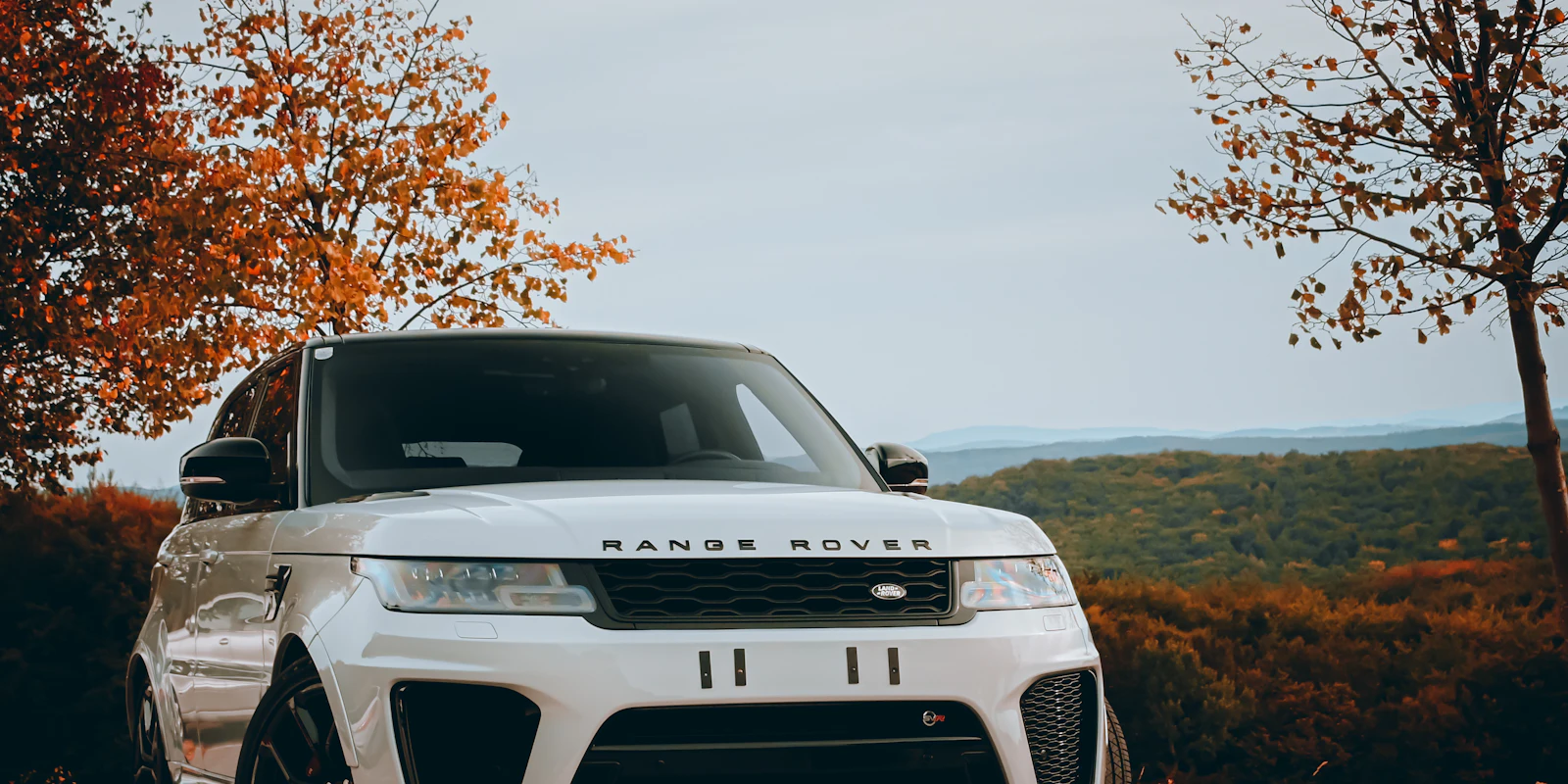
The Range Rover is one of the fastest-depreciating vehicles on sale. In iSeeCars' 2026 study it had the biggest dollar loss of the 25 fastest-depreciating models: nearly $70,000 in five years. If you own one, that's the single most useful fact for deciding when to sell.
Key numbers
- 5-year depreciation
- 61.7%, according to iSeeCars' 2026 study. That's $69,856 below the sticker price.
- Rank
- The fifth-worst of all vehicles, with the biggest dollar loss among the 25 fastest-depreciating models.
- Holds up best
- The Defender, which keeps an estimated 51.3% of its value.
- Timing
- The steepest drop comes early, and offers weaken once the warranty ends.
How much a Range Rover depreciates
| Model | 5-year depreciation | Lost from sticker price |
|---|---|---|
| Range Rover | 61.7% | $69,856 |
| Range Rover Sport | 58.3% | $45,272 |
| Land Rover Discovery | 57.9% | $34,878 |
| Average vehicle | 41.8% | — |
From iSeeCars' 2026 study of five-year-old cars sold between March 2025 and February 2026, checked October 2026.
All three are among the 25 worst vehicles in the study. CarEdge's estimate is harsher still: it puts the Range Rover at 74% depreciation after five years, based on a $177,175 new price, 13,500 miles a year and good condition. The two use different methods and starting prices, which is why they differ.
How the other models compare
| Model | Estimated value kept after 5 years |
|---|---|
| Defender | 51.3% |
| Range Rover Evoque | 47.9% |
| Discovery Sport | 45.1% |
| Range Rover Velar | 43.1% |
| Discovery | 41.4% |
| Range Rover Sport | 40.3% |
| Range Rover | 38.0% |
| Range Rover Sport plug-in hybrid | 34.9% |
| Range Rover plug-in hybrid | 32.6% |
iSeeCars model-level resale estimates for 2026, checked October 2026. These are modeled estimates, separate from the study above.
The pattern is consistent: the more expensive the model, the more it loses, and plug-in hybrids do worst. The Defender is the brand's strongest performer.
Why Range Rovers depreciate so fast
- High prices when new. A large percentage of a large number is a lot of money.
- Repair-cost worries. Used buyers price in the risk of air suspension, electronics and drivetrain repairs after the warranty ends.
- Leasing. Many are leased and come back to the market at the same age, which adds supply.
- Frequent updates. New generations and technology make older ones look dated quickly.
When to sell
CarEdge's year-by-year estimate shows where the value goes: a Range Rover keeps about 63% of its value at two years and about 32% at three. Whatever the exact figures, the steep part of the curve arrives early and coincides with the end of the factory warranty.
- If you plan to sell anyway, compare offers before the warranty runs out. Buyers pay more for remaining cover.
- Keep every service record. On a vehicle buyers see as risky, records are the best defense against a low offer.
- For an out-of-warranty car, get an inspection report first. It replaces a buyer's worst-case assumption with facts.
The Range Rover seller's guide and the Land Rover guide compare your selling options.
Common questions
How much does a Range Rover depreciate in five years?
61.7%, according to iSeeCars' 2026 study, which is $69,856 below the sticker price. CarEdge estimates 74%.
Why do Range Rovers depreciate so fast?
High new prices, buyer concern about repair costs after the warranty ends, heavy leasing and frequent model updates all push used values down.
Which Land Rover holds its value best?
The Defender. iSeeCars estimates it keeps 51.3% of its value after five years, the best of the brand.
When is the best time to sell a Range Rover?
Before the factory warranty ends, if you can. Buyers pay more for remaining cover, and the steepest depreciation comes in the first few years.
Sources
- iSeeCars: The top 25 cars that hold their value best, and the 25 worst (2026 study)
- iSeeCars: Land Rover resale value for 2026
- CarEdge: Land Rover Range Rover depreciation
Figures were checked against these sources in October 2026. Prices change, so confirm before relying on them.